
Precision at Scale:

Revolutionising Precision Optical Insect Dosing

Entocycle partnered with EnviroFlight, North America’s leading producer of insect-based ingredients, to validate our patented optical dosing technology. By integrating the Entosight Neo into EnviroFlight’s R&D Centre in North Carolina, we transitioned their operations from traditional mass-based methods to high-precision, AI-driven optical counting.

The results demonstrated a transformative shift in production efficiency, achieving a 95%+ dosing accuracy with a mean absolute error of just 4.52%. This partnership not only proved that our technology can be seamlessly deployed globally but also confirmed that precision dosing significantly improves larval yield and operational predictability. As the first commercial adopter of this technology, EnviroFlight is setting a new industrial standard for the sustainable production of animal and plant nutrition.

We collaborated with the largest producer of insect-based ingredients for animal and plant nutrition in North America, EnviroFlight, to bring our optical dosing solution, the Entosight Neo to their Research and Development Centre in North Carolina for a series of advanced trials.

Our patented Entosight Neo utilises advanced image technology and machine learning to count and dose black soldier fly (BSF) neonates with unprecedented accuracy. The system’s integration of data analytics also enables BSF operators to identify trends, predict outcomes and make data-driven improvements to their production protocols and processes.

Conducting 24 doses across four trials, with each dosing containing either 10,000 or 30,000 neonates with three replicates per dose per trial, our Entosight Neo solution consistently delivered the target number of neonates with a mean absolute percentage error of 4.52%. The neonate survival rates after five days were comparable to, or higher than, those in the control group, validating the Entosight Neo’s 95%+ dosing accuracy without affecting larvae survival rates.
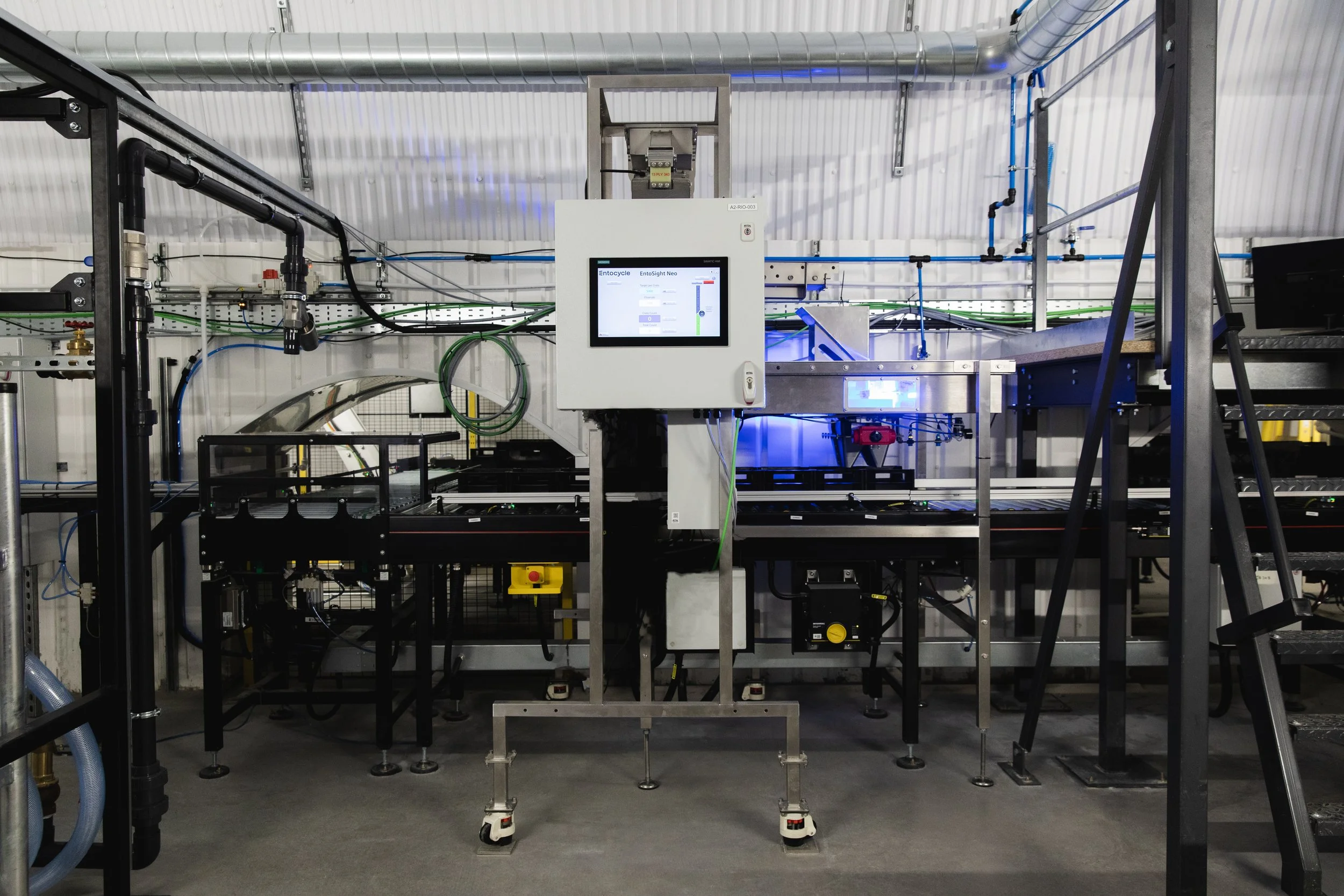
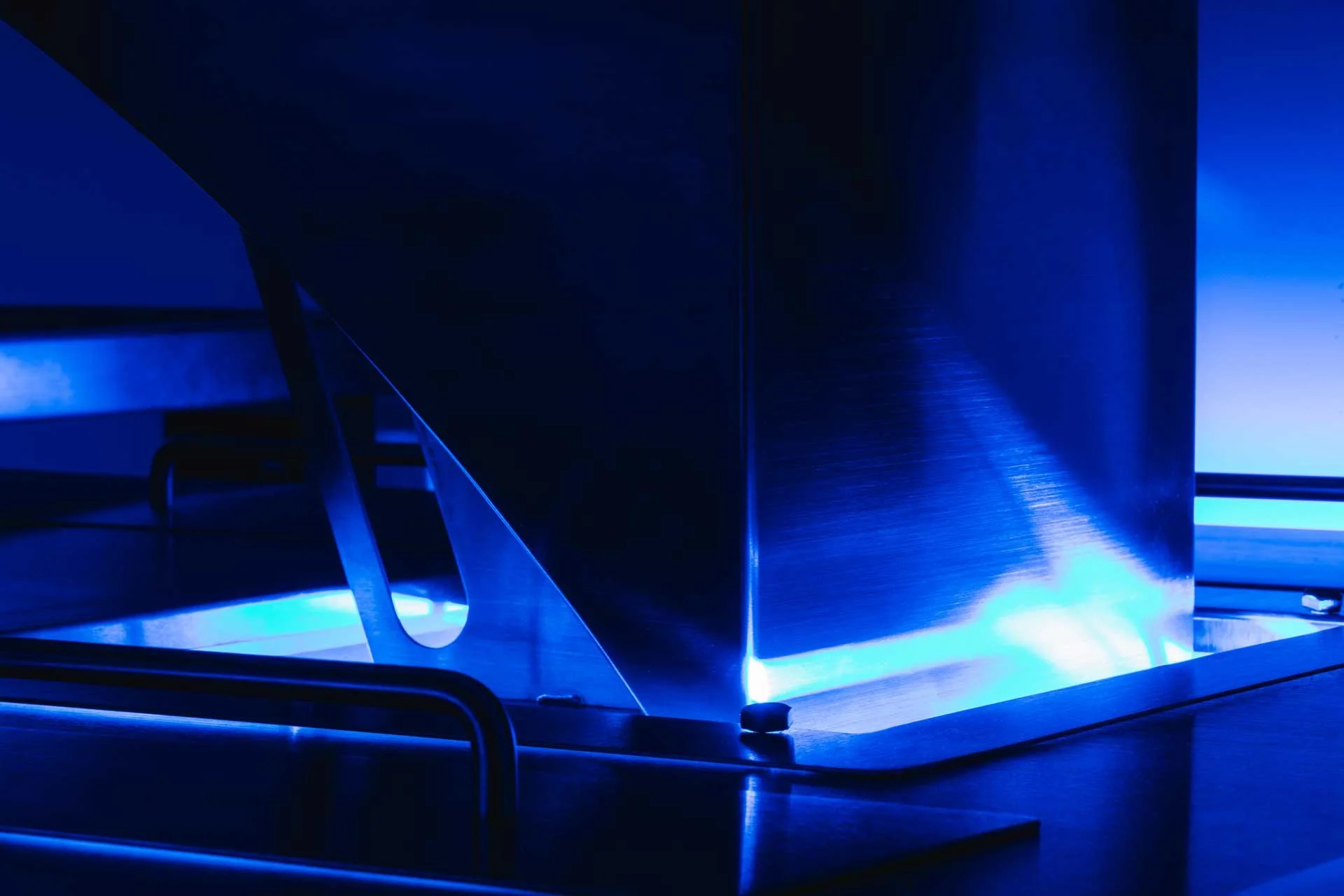
Entocycle's entosight neo optical dosing black soldier fly technology
entocyle entosight neo optical dosing technology for black soldier fly

Our partnership with EnviroFlight formed in late 2023, when the EnviroFlight team had begun to investigate a more accurate optical dosing solution to their strategy.

Previously utilising mass-based solutions to provide insects and feed in each crate, mass-based dosing determines the target dosing weight by multiplying the average weight of a single neonate by the target number of neonates. Optical dosing is much more accurate than mass-based dosing.

Upon researching EnviroFlight’s existing methodology, we discovered multiple issues:

  • Inaccuracies in counting and dosing, leading to major issues downstream.

  • Sub-optimal conditions for egg incubation, leading to lower survival rates.

  • High age variability, eggs are allowed to hatch over 4 days in the same tray.

  • Variability of environmental conditions in the nursery causes variation in survival and growth rates, thus exacerbating the variability in counting and dosing.

  • Their higher mortality rates means the breeding system has to be physically bigger to compensate for inefficiencies.

We jumped at the opportunity to collaborate with EnviroFlight for a number of reasons. Firstly, they’re a pioneering producer of insect-based ingredients for animal and plant nutrition in North America. This location is not somewhere we have worked in or collaborated with before, so when the opportunity to install our patented technology internationally came our way, we simply could not say no.

EnviroFlight’s research and engineering teams collaborated closely with our technical experts to install the Entosight Neo into their R&D facility and monitor its performance over several months. The trials evaluated key performance metrics, including neonate dosing accuracy, flow rate speed and the larvae’s survival rate post-inoculation.

To combat their existing inefficient methodology, we curated the following solutions that our Entosight Neo could achieve:

  • Improving population control (both number and age variability) for each tray.

  • Reduce labour time required to scrape and weigh eggs, and distribute onto filter paper.

  • Improves production yield.

  • Improves larval yield with optimised nursery.

  • Identifies issues in hatching immediately.

By identifying the above, we calculated that by optimising the breeding process, EnviroFlight would achieve 5% recycle rate, vs their current 2% recycle rate, meaning the size of the breeding system more than halves - allowing for significant savings on CAPEX and OPEX.

Project Objectives

1 - Neonate dosing accuracy

Daily large scale optimised dosing and counting of neonates.

2 - Flow rate speed

3 - Larvae survival rates

Increase productivity, stability and predictability of each larvae yield

4 - Identifying bottlenecks in current procedure

Rewrite operational procedures to become more efficient

Implementation

We sent over two of our engineers and entomologists out to the EnviroFlight site in North Carolina to lead the trials. We ensured daily counting and dosing of the Entosight Neo at a large scale whilst stress testing the equipment, quantifying labour requirements and increased productivity, stability and predictability of larvae yield whilst identifying bottlenecks in the existing operational procedure. 

Before we began testing and validating the Entosight Neo, we implemented the EnviroFlight process improvements previously mentioned. This then led us to ensure further enhancements with our Entosight Neo’s technology.

To accurately quantify the metrics between the Entosight Neo’s optical dosing and EnviroFlight’s existing mass-dosing, we ensured to take the following measurements to later compare:

  • Mean larval weight and standard deviation after nursery and after rearing.

  • Total larvae weight per crate and standard deviation after nursery and after rearing.

  • Total number of crates set up per day.

  • Number of crates dosed per hour.

  • Labour requirement for the full production line per day (we expected the results of optical dosing to impact the entire process, from egg collection to rearing bin harvest.)

“Entocycle is a great team to work with due to their technical expertise and willingness to consider our unique needs and operations. We look forward to working with Entocycle on other projects in the future.” - Liz Koutsos, PhD, President of EnviroFlight

entocycle's entosight neo optical dosing for black soldier fly
entocycle's optimised AI counting camera for black soldier fly dosing

Challenges

The most obvious challenge is the location, as North Carolina is about a 9-hour flight from London and holds a time difference of 5 hours. It’s not an easy trip and certainly not one either team can frequently do, so it was imperative to have a clearly defined scope of what we wanted to achieve, along with clear parameters of success identified before we arrived at the EnviroFlight hub. This involved clear communication between both parties, to help us work as efficiently and effectively as possible on the site visit.

Results

Our Entosight Neo consistently delivered the target number of neonates with a mean absolute percentage error of 4.52%. 

The neonate survival rates after five days were comparable to, or higher than. Those in the control group.

Both of these results validate the Entosight Neo’s 95%+ dosing accuracy without affecting larvae survival rates, reassuring EnviroFlight with enough confidence to implement the Entosight Neo into their system permanently - making them the first adopter of this technology.


“We trialled Entocycle’s optical dosing solution, Entosight Neo, and the results demonstrated a substantial improvement in dosing accuracy.” - Liz Koutsos, PhD, President of EnviroFlight

Impact

There are currently only two Entosight Neo’s in the world, one at our London HQ and the twin at EnviroFlight in North America. By implementing this technology internationally, it not only proves it out, but the endorsement of a highly-regarded and well-known industry player, such as EnviroFlight, enhances credibility to both the Entosight Neo and Entocycle. This also emphasises that location is not a barrier, as we can transport our technology internationally.

Our collaboration with EnviroFlight is built on a shared commitment to sustainability and pioneering insect farming technologies, with the aim to cultivate a circular economy in the wider landscape. 

Both Entocycle and EnviroFlight are taking materials that would otherwise be wasted, and transforming them into valuable ingredients that the world depends on daily - feed for livestock, pets and people.

Nature doesn’t believe in waste, and neither do we.

entomologist using entocycle's entosight neo optical dosing machine for black soldier fly neonates
Previous
Previous

The Centre for Insect Technology