

International Waste-to-Value BSF Facility.
In an international technology and engineering collaboration, Entocycle partnered with Regen Organics (formerly Sanergy) in Kenya to optimise biological yields and structural efficiency across one of Africa’s largest waste-to-protein operations. By deploying an expert, cross-functional team of entomologists and engineers, Entocycle delivered biology-led facility blueprints and bespoke operations to Regen Organics. This phased, de-risked methodology eliminated severe environmental bottlenecks in BSF breeding and rearing.
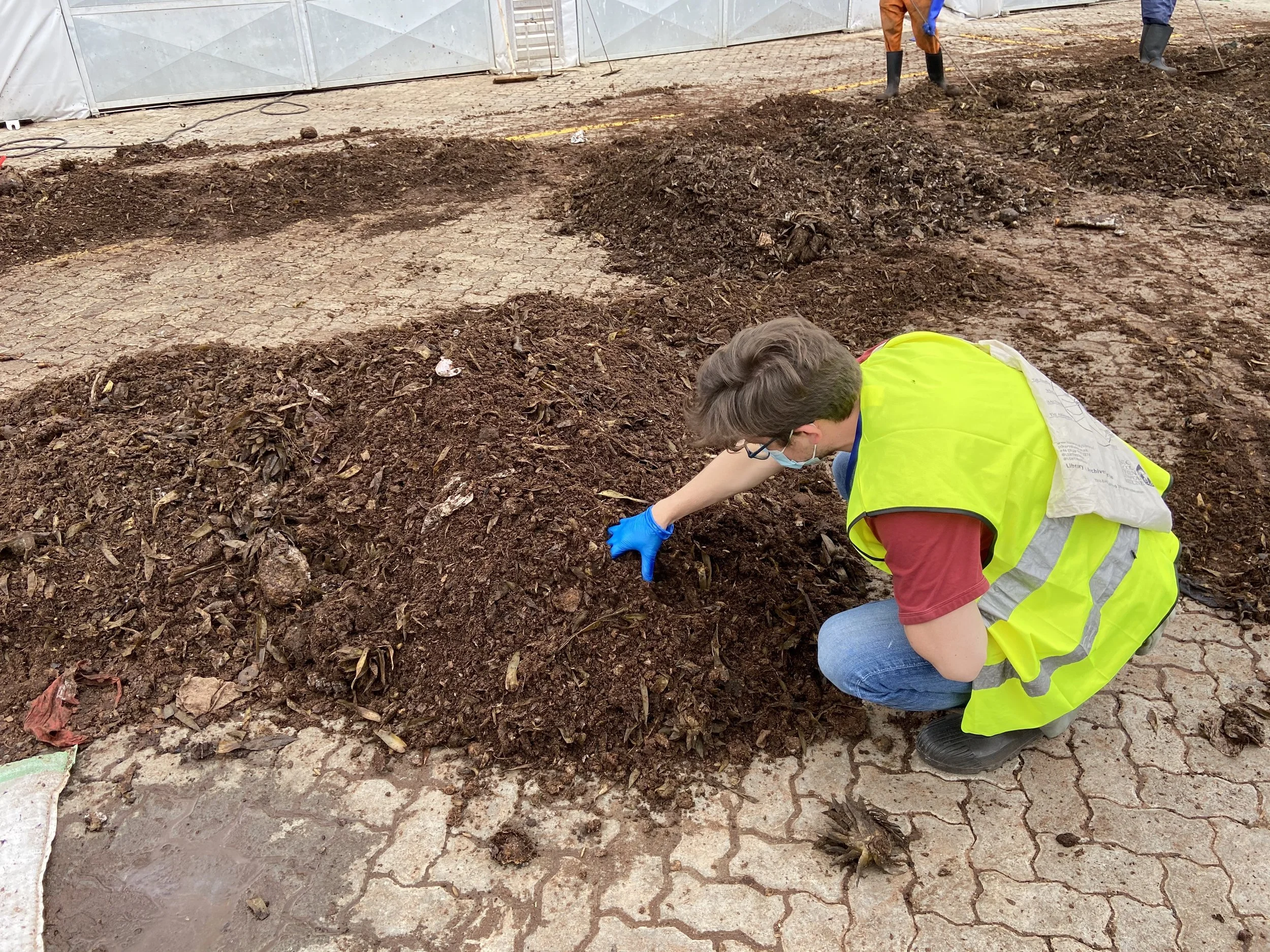
In an international technology and engineering consultancy project, Entocycle partnered with Regen Organics, formerly Sanergy, in Kenya, to optimise the biological and structural efficiency of one of Africa’s largest waste-to-protein operations.
By deploying our world-class, cross-functional team of entomologists and engineers, Entocycle delivered industrial blueprints and custom biological protocols required to transition a massive manual operation to one of optimised efficiency.
Following on from an initial highly successful technical audit, Entocycle secured a second strategic consultancy round with Regen Organics, highlighting the importance of the work Entocycle’s entomologists and engineers pioneered during the initial phase.
Regen Organics operates a large-scale circular economy facility in Kenya, collecting organic sanitary waste from informal settlements to use as feedstock for black soldier fly larvae (BSFL), turning problematic waste streams into high-value animal feed inputs. While successful at managing high waste volumes, the facility faced severe operational and biological bottlenecks in their rearing and breeding operations which led to suboptimal biological yields.
This collaboration presented a powerful opportunity for Entocycle to apply their world-class R&D and engineering expertise to a new international market. It also provided Entocycle with a definitive demonstrator to show that their modular, biology-led facility blueprints can be tailored and de-risked to optimise commercial yields anywhere in the world.
Objectives
Entocycle completed a two-phased project spanning 11 months:
Category A, initial technical consultancy assessment: low-capital, optimised fixes.
Category B, engineering implementation: substantial design upgrades to infrastructure and processes.
Implementation
Following Entocycle’s proven, end-to-end project development methodology, our on-site team mapped out every physical constraint in the factory lifecycle; delivering a comprehensive Breeding Performance Improvement Report that identified exact points where environmental bottlenecks were limiting insect welfare and output, including user requirement specifications, concept design, prototype development, validation experiments and industrial-level designs.
Recommended improvements were categorised into Category A: low-capital, optimised fixes, and Category B: substantial design upgrades to infrastructure and processes.
Following the successful initial consultancy, a second site visit occurred to conduct the design upgrades, aiming for 25% BSFL recovery and 50% egg yield increase.
Challenges
This collaboration took place during the height of the COVID-19 pandemic, resulting in Entocycle’s on-site team remaining in Kenya for longer than expected due to international travel restrictions. This subsequently resulted in remote working for longer than planned, meaning the business had to adapt to team members working internationally for extended periods, whilst remaining within the project budget.
The biggest challenge, however, was managing a breeding and rearing system in the local climate. With high ambient temperatures during the day, the nursery chamber and breeding cages reached temperatures that far exceed the optimal ranges for black soldier fly survival and fertility. With fewer neonates and seed larvae being produced, this created a bottleneck in the facility’s ability to meet its daily waste processing target.
To combat this, we ensure that our facilities are fully climate-controlled, designed to standardise production conditions. This unique climate expertise means that our modular systems can be built in any climate, anywhere in the world, with this project showcasing exactly this.
Results
Establishing performance metrics and Quality Control Standard Operating Procedures (QC SOPs)
Entocycle’s team initially identified some key system metrics that impacted performance, but were not being measured. One of which included fly density in the breeding cages, which should be optimised alongside climate to maximise egg yields per volume. The team developed a mass based sampling methodology that could be achieved with basic measuring equipment, which allowed Regen Organics to have better control over the stocking densities during setup.
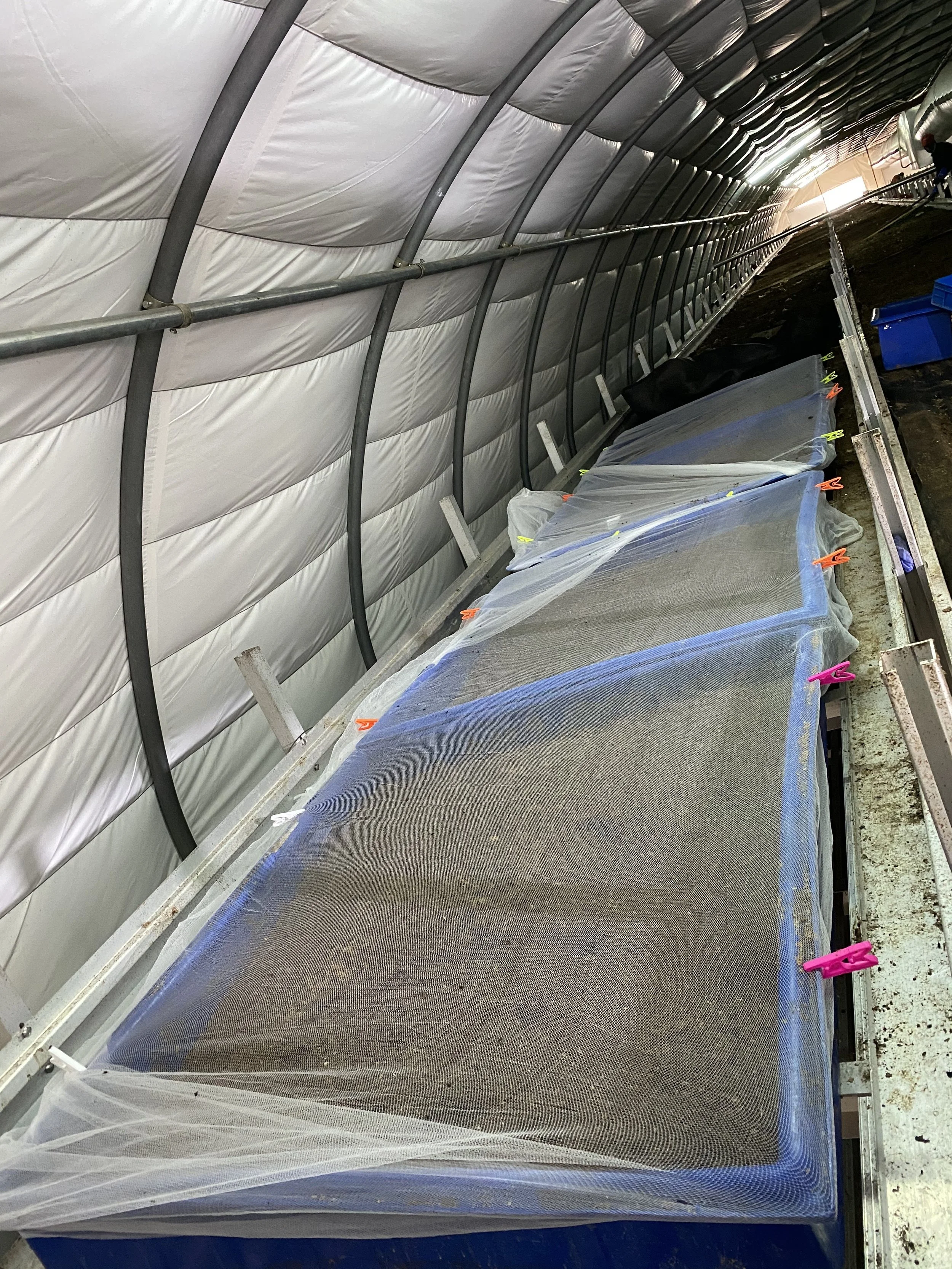
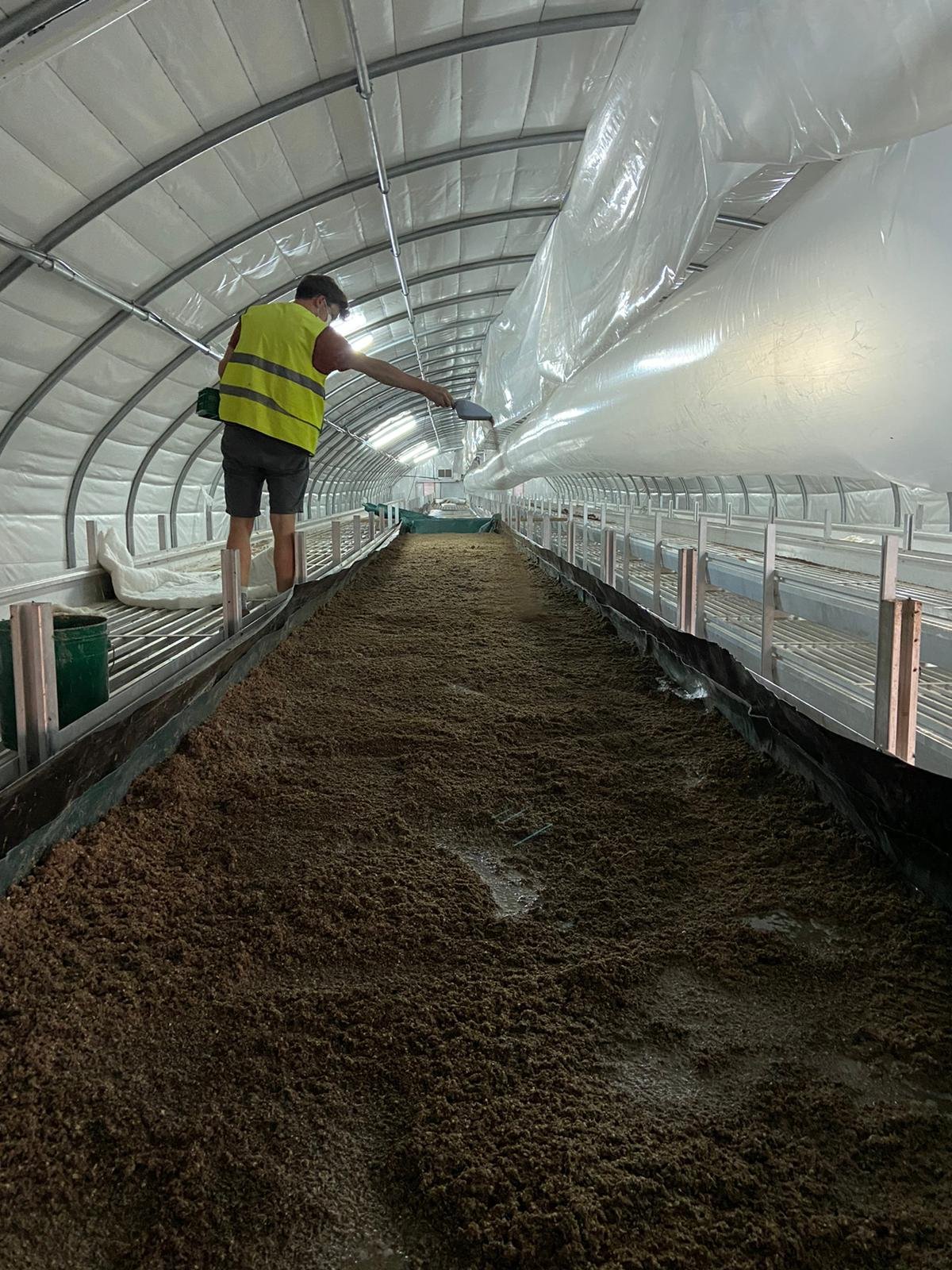
As per the Category A scope, Entocycle’s team of entomologists and engineers executed a detailed technical review of Regen Organic’s existing setup and operations, and identified several areas for “quick wins”, where minimal changes led to significant improvements:
Hatchery and Nursery: Poor egg handling practices during harvesting and hatching caused damage and low hatching rates. Entocycle implemented new egg handling procedures to minimize damage and optimize neonate hatching conditions. Egg hatching rates increased by 25%, securing a sustained supply of neonates for protein production.
Larvae Rearing: Excessive feed depth generated excessive heat, causing larval crawl-off, higher mortality and mould growth. Entocycle optimised the larvae-to-feed ratio during bioconversion. This led to improved protein yields, minimized larval mortality and successfully prevented mould on the substrate.
Other points of improvement required more substantial design upgrades under the Category B scope:
Dark and light cage design: Inefficient fly cage designs restricted air flow, microclimate control and adult fly migration, lowering recovery rates. Entocycle redesigned the connection route between dark and light cages, leading to boosted breeding efficiency, increasing fly recovery rate by 25% and eggs per female by 50%.
Climate control: Unregulated facility temperatures reaching up to 45°C threatened insect survival and production stability. Entocycle designed a climate regulation strategy tailored to work with the site’s local environmental conditions, stabilising site-wide temperatures, safeguarding insect stock and maintaining consistent production.
Impact
This collaboration showcases Entocycle’s unique ability to de-risk biological infrastructure and translate complex entomological data into a lucrative, high-performing industrial reality. Blending technological innovation with localised needs, Entocycle provided Regen Organics with an investable, de-risked roadmap to maximise their waste-to-value full resource capacity.
The phased approach to this project resulted in a long-term collaboration between Entocycle and Regen Organics, additionally emphasising the positive relationship between the two organisations and the desire to continue the working relationship.
Backed by 10 years of R&D, everything the team produces is carefully thought through and rigorously tested in real life conditions at their UK Centre for Insect Technology before being deployed outside of the facility. By doing this, Entocycle de-risks ramp-up and turns biological processes into industrial-scale realities, as seen with Regen Organics.
“Entocycle have demonstrated that they are best-in-class for building BSF breeding systems and they have a team of experts who are always a pleasure to work with.”
– Tim Egan, Director of R&D, Regen Organics
Collaborate with Entocycle, to develop de-risked, investable waste-to-value projects using insects.