
Engineering Predictability Into Nature: How Precision Agri-Tech De-Risks Industrial Insect Farming
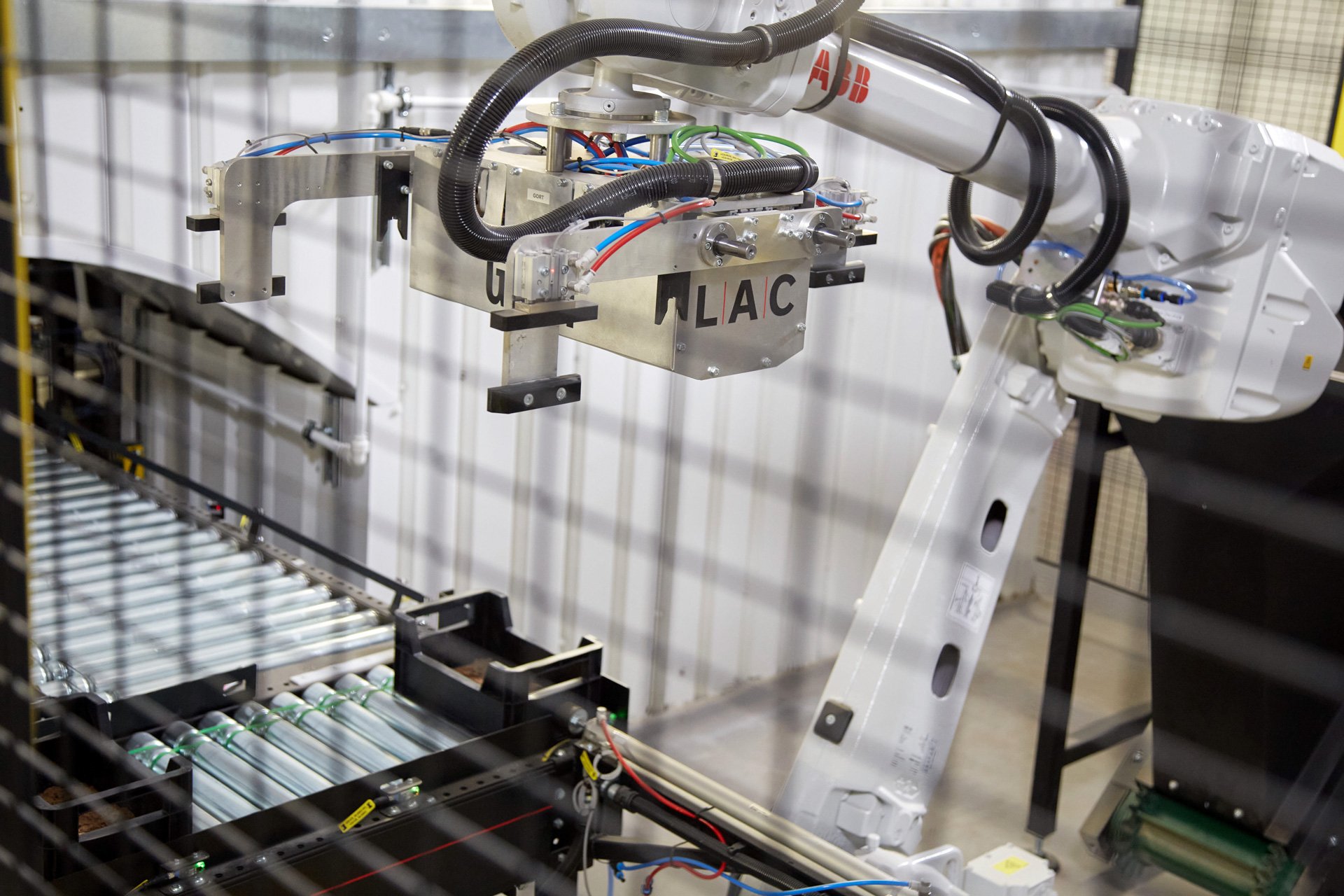
Robotic arm featured in Entocycle’s Centre for Insect Technology
Black Soldier Fly Larvae (BSFL) represent one of nature’s most efficient circular economy solutions, but scaling biological processes into stable-yield industrial assets has historically presented a major challenge for both investors and operators - biological variance.
Why is There Variance in Insect Biology?
Black soldier fly larvae (BSFL) are incredibly efficient at converting organic food waste and agricultural by-products into high-quality proteins. They are voracious eaters, reaching their full size in less than 14 days with a 5000x increase in body weight; unrivalled in the protein production space. However, as living organisms, their growth trajectory is sensitive to external variables.
Micro-fluctuations in ambient temperature, humidity, airflow or feedstock composition cause significant shifts in larval metabolism, growth rate and mortality. Without precise control, two production crates fed the same batch of organic waste in different areas of a facility can yield drastically different quantities of protein.
There is the additional caveat of upstream population management introducing large operational variances, as neonates (infant larvae) are roughly the size of sand grains. Dosing too few neonates into a crate results in underutilized feedstock and anaerobic decay, whilst dosing too many creates overpopulation, heat stress and stunted growth.
For waste management companies, food producers and infrastructure investors, biological variance means operational and investment risk. Unpredictable growth cycles lead to fluctuating throughput, inconsistent product quality and uncertain cash flows.
To make waste-to-value insect facilities reliable long-term infrastructure assets, biological variance must be engineered out of the equation. So how did we achieve this?
Our Approach
Entocycle’s team of entomologists, engineers and market experts have spent the last ten years curating innovative methods to remove this variance; developing technology that works with biology.
Our methodology is grounded in a biology-led, technology-driven approach. By combining a decade of dedicated entomology R&D with advanced control engineering, our world-class in-house team of entomologists, engineers and market experts have developed a suite of patented technologies that work with every stage of the Black Soldier Fly lifecycle.
Our patented turnkey technology systems provide the real-time control and standardisation needed to turn a natural process into predictable and industrial-scale results, anywhere in the world.
How We Do This
To ensure that variance has been removed across the entire production lifecycle, Entocycle deploys proprietary hardware systems designed to monitor, measure and optimise biological performance in real-time.
Precision Dosing with The Entosight Neo
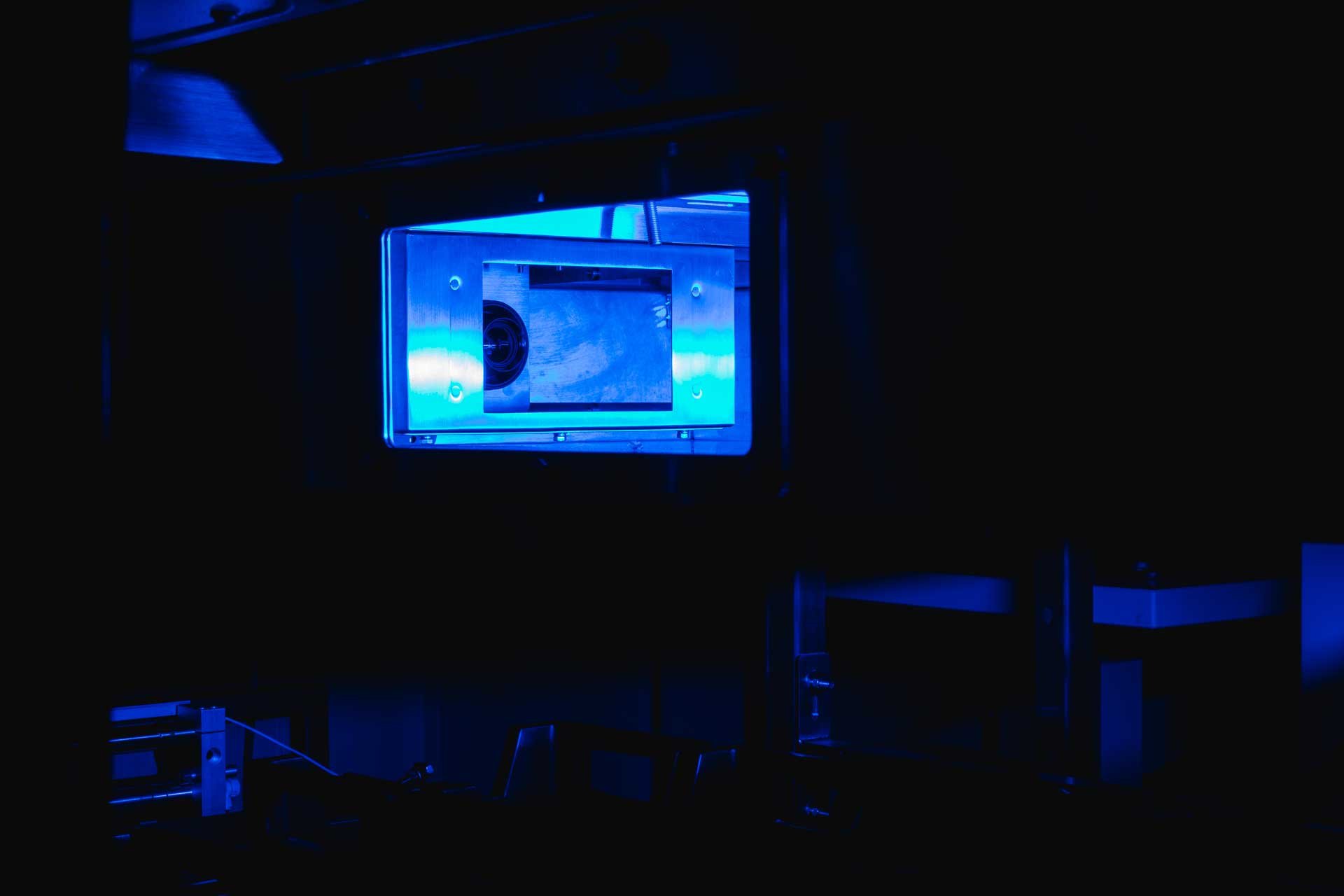
Entocycle’s patented neonate dosing system, The Entosight Neo, uses AI-driven machine vision and image processing algorithms to count and precision-dose thousands of grain-of-sand sized infant larvae per second; with accuracy exceeding 95%. This removes downstream variance from production and upstream population variance before crates enter the growth chambers.
The Entosight Neo, Entocycle’s proprietary insect dosing technology.
Dynamic Climate-Controlled Production

Entocycle’s dynamic and algorithm-controlled climate system continuously measures metrics such as temperature, humidity and exhaust gases, dynamically adjusting HVAC and airflow parameters in real-time, in line with the larvae’s biological growth curve. This ensures for ideal growing conditions across each individual crate, regardless of seasonal or geographical weather conditions. Consistent, high-yield production conditions.
Entocycle’s climate controlled systems.
AI-Driven Factory Management System & Digital Twin
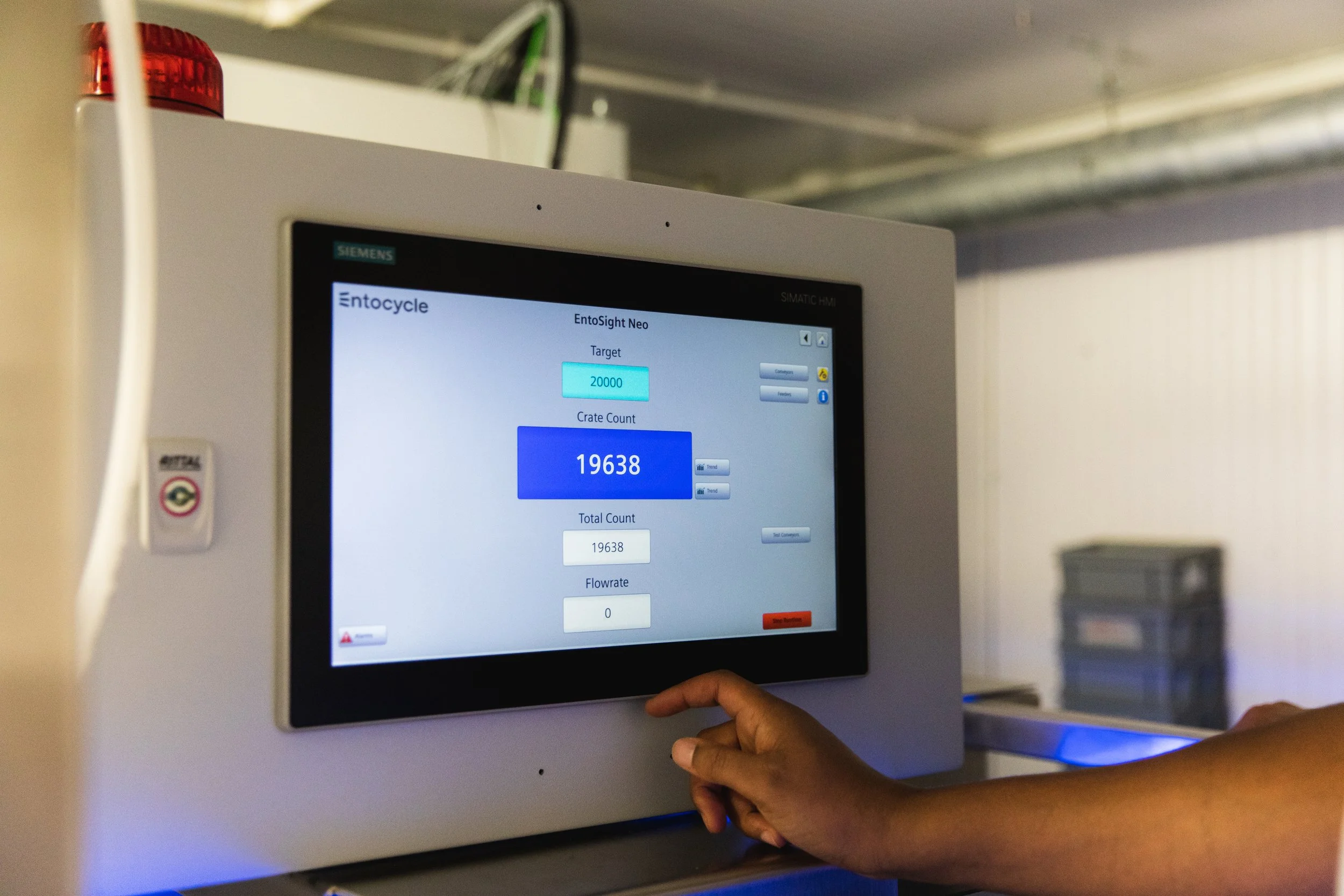
Entocycle’s automated facilities feature a real-time digital twin, a data layer that receives thousands of data-points from the sensor network across the factory, feeding information into our Factory Management System. This data network gives operational teams complete transparency over facility performance, batch health and key KPIs.
Entocycle’s digital twin system.
Modular, Automated Batch-Based Architecture
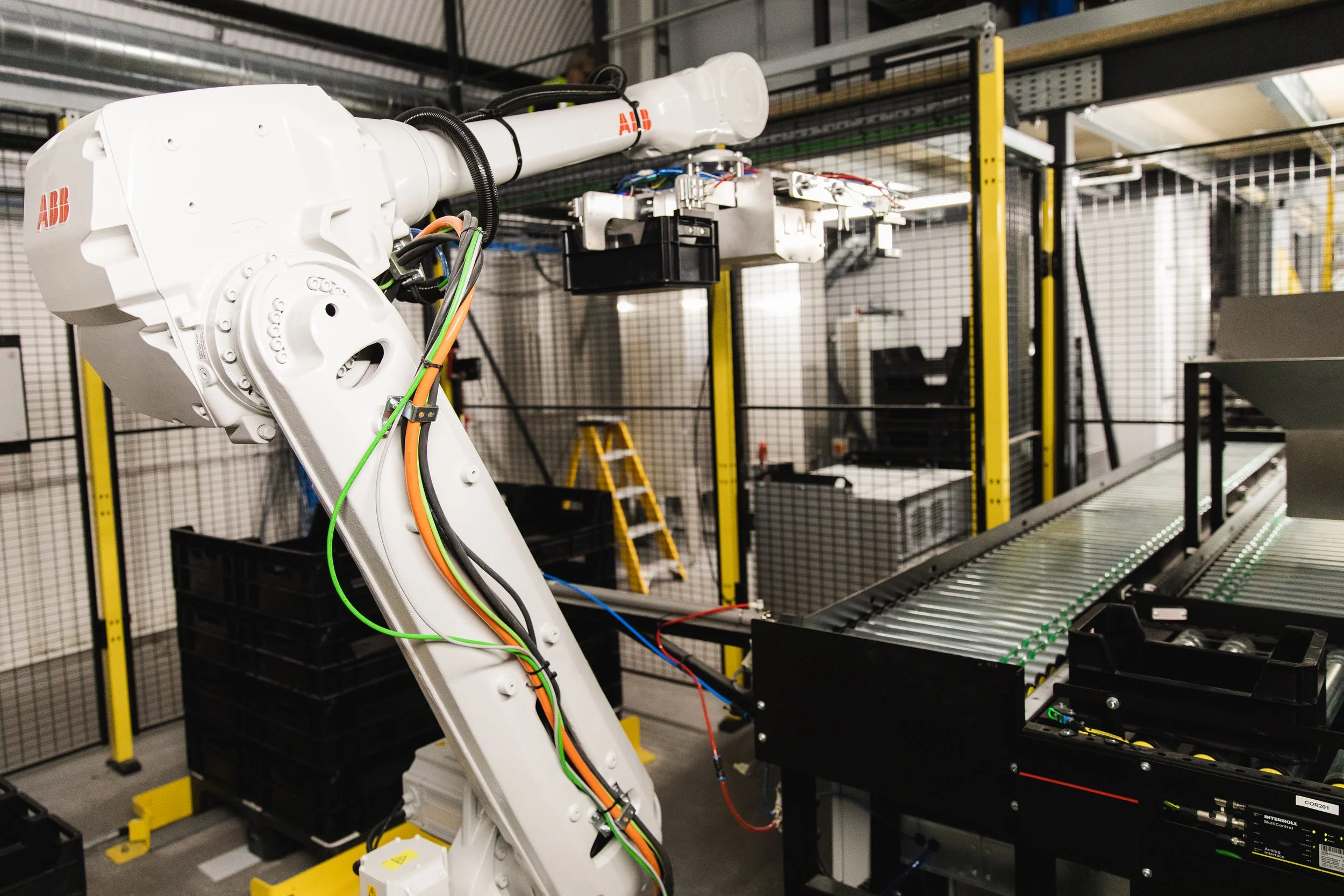
Facilities are engineered around a modular facility blueprint that utilises standard Euro-crate dimensions and scalable hardware, including autonomous guided vehicles (AGVs) and robotic arms. This combines optimal design for biology and off-the shelf equipment to move crates around the facility, making it cost-efficient, reliable and easy to maintain.
Entocycle’s facilities are modular.
The Results
By engineering predictability into biological systems, precision agri-tech transforms the financial and operational profile of industrial insect facilities.
“Our development methodology balances the technical, the biological and the commercial, finding the sweet spot that positively impacts the ROI of the facility.”
Investable Financial Returns
Removing biological variance de-risks both the construction and operational phases of waste-to-value insect projects. Infrastructure investors therefore gain access to the blueprint for bankability, with Entocycle leading on the heavy-lifting of project development - accelerating projects from concept to Final Investment Decision (FID).
Consistent, High-Value Offtake
Converting organic by-products into high-value, sustainable insect products and elevating organic waste streams up the waste hierarchy achieves up to 75% mass reduction of organic material. This transforms a supply chain burden with a verifiable ESG win.
BSFL is used whole in pet food, or processed into high-protein ingredients for use in aquafeed, pet food and poultry feed.
Frass is a co-product of insect farming, used as a natural fertiliser to vastly improve soil health and promote plant growth.
A natural by-product of insect farming, BSF oil is high in lauric acid. Used as a sustainable and antimicrobial alternative to palm oils, insect oils are now being used in cosmetics and skincare products, biodiesel and bio-lubricants.
Why Insects Matter
Nearly ⅓ of the food we produce is wasted, with millions of tonnes being sent to landfill or incinerated. This contributes to at least 8% of global greenhouse gas emissions.
A growing population and the increase of meat consumption in developing countries is increasing the demand for proteins that support our food system. To meet this demand, the poultry and aquaculture industries are set to double in size over the next 25 years. Yet, traditional proteins cannot meet this demand. Overfishing is exhausting our oceans whilst land-grown proteins drive irreversible deforestation.
“Agriculture is facing a critical bottleneck: we need to scale production without damaging the land and marine ecosystems we rely on. Entocycle exists to solve this. By using modern technology to harness the natural efficiency of insects, we’re unlocking this solution at industrial-scale, delivering the high-performance, sustainable nutrition the world demands.”
We’re on a mission to deliver de-risked industrial-scale solutions for the circular economy - using the food we waste today to create the protein we need tomorrow.
Partner with us on de-risked investable waste-to-value projects, powered by insects.
